
Farway is the most trusted and reliable company for helping people with immigration and visas. We help individuals, business entities, families, and corporations apply for immigration and non-immigration visas.

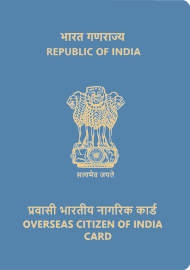
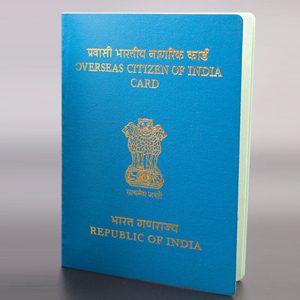
A foreigner who was eligible to become an Indian citizen on January 26, 1950, was an Indian citizen on or after January 26, 1950, or was from a territory that became part of India after August 15, 1947, along with his or her children and grandchildren, can register as an Overseas Citizen of India (OCI), as long as his or her home country allows dual citizenship in some way. The OCI for minor children of these people can also get OCI.
Note: The candidate will not be able to get OCI if he or she has ever been a citizen of Pakistan or Bangladesh.
OCI for spouse: Cards are available and applicable in India. The overseas card of India can be applied for by the foreign-born spouse of an Indian citizen or an Indian living overseas whose marriage has been registered for at least two years. Diplomats and officials from other countries are not allowed to give out OCI or POI cards. A foreigner can’t apply for an OCI card if they have a tourist visa, a business visa, an employment visa, a medical visa, or an e-visa. Only when they are ready to change their existing visa to an entry (X) visa in India can they apply for an OCI card.
In the event that the application is going to be submitted outside of India, the fee of US $ 275 will need to be paid as a Demand Draft for each application. OCI card fees in India are Rs.15,000/- and must be paid in the form of a demand draft issued in favour of the Secretariat of the Ministry of Home Affairs and due in New Delhi. This fee must be paid in the event that the application is filed in India.

1. Proof that you are a citizen right now.

2. Proof that you, your parents, or your grandparents were: (a) eligible to become an Indian citizen at the time the Constitution took effect; (b) from a territory that became part of India after August 15, 1947; or (c) an Indian citizen on or after January 26, 1950.
These could be: (i) a copy of the person’s visa; (ii) a copy of the person’s domicile certificate from the appropriate body; or (iii) any other proof.
3. Proof of link as a parent or grandparent, if their Indian heritage is said to be the reason they should be given an OCI.
4. Application fee paid through Demand Draft (US$275 or the local currency equivalent for each application; US$25 or the local currency equivalent for each PIO card user). If the application is made in India, the fee is Rs.14,230/- for the general group and Rs.1,290/- for people with a PIO card. These fees must be paid by Demand Draft.
5. People who have PIO cards should send in a picture of their PIO cards.



Farway is the most trusted and reliable company for helping people with immigration and visas. We help individuals, business entities, families, and corporations apply for immigration and non-immigration visas.